
The Era of Relationship Architects: Why the Future of Strategic Consulting Belongs to Independent Advisory Firms With Disproportionate Access
A market overview and interview with Olga Grishchenko, Co-Founder and CEO of ODBT Strategic Consulting
As global economic influence continues to shift, the Middle East is becoming one of the world’s most important centers of investment, technology and strategic growth. This transformation is also reshaping the consulting industry.
In complex and highly regulated markets, traditional analysis and standardized expansion models are no longer sufficient. Companies increasingly need advisers who understand not only commercial strategy, but also the institutional, political and cultural environments in which decisions are made.
This has created a growing role for independent strategic advisory firms. Their advantage lies not in organizational scale, but in direct senior involvement, agility and the ability to connect clients with trusted institutions, capital and decision-makers across markets.
ODBT Strategic Consulting reflects this model. The firm operates across Western and Middle Eastern markets, combining strategic advisory with access to an international network spanning technology, investment, hospitality, entertainment, legal affairs and government relations. Its work illustrates how an independent firm can coordinate expertise usually associated with far larger organizations while remaining closely involved in each mandate.
The model is particularly relevant for cross-border projects where corporate objectives must be aligned with national priorities, regulatory realities and long-term investment interests. In these situations, relationships are not an accessory to strategy; they are part of the infrastructure that allows strategy to be implemented.
We spoke with Olga Grishchenko about the changing nature of strategic consulting, the role of institutional access and the growing connection between business strategy and the global artificial intelligence agenda.
From Frameworks to Relationships
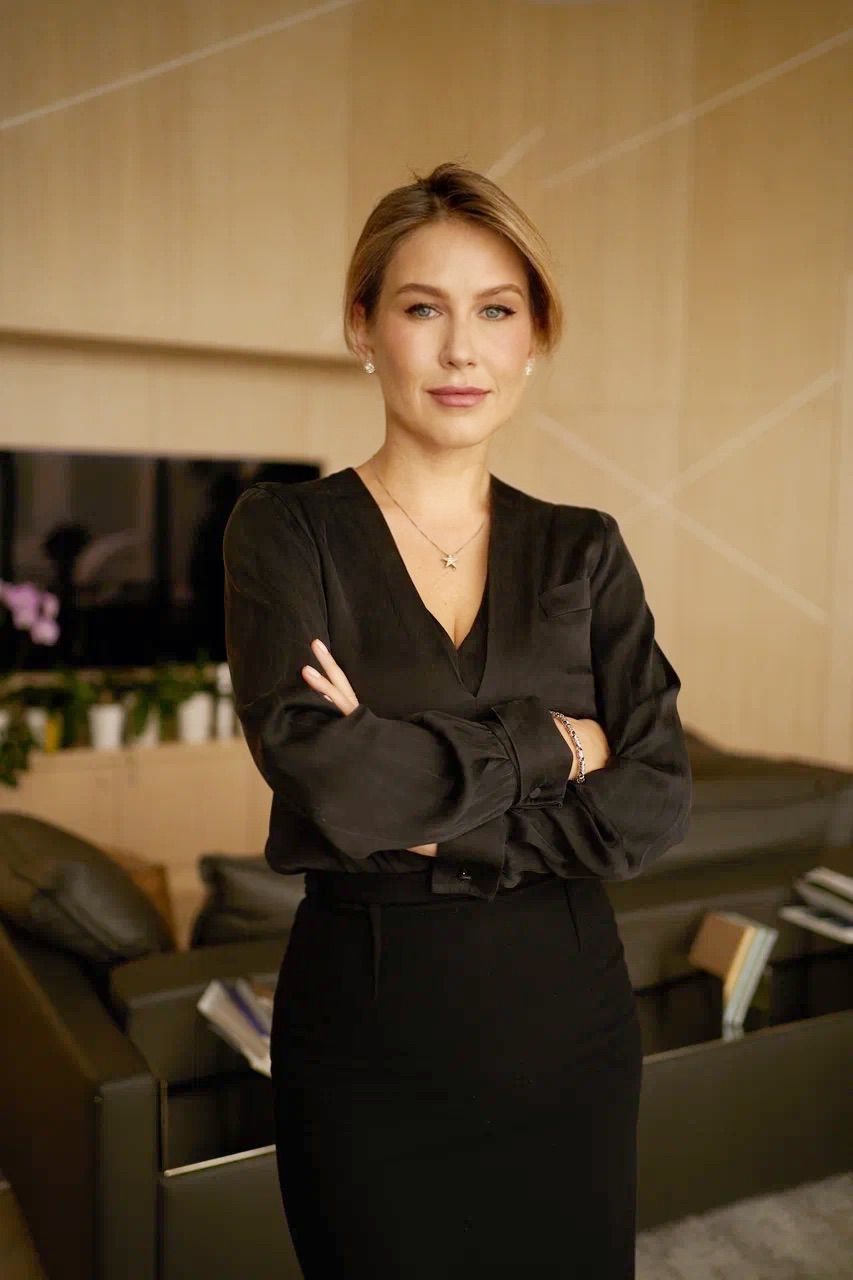
Q: Why are traditional market-entry models becoming less effective?
Olga Grishchenko: Frameworks remain useful, but strategy only becomes practical when it is embedded in the local ecosystem. Without trusted counterparties and institutional alignment, even excellent analysis can remain theoretical.
This is especially true in the Middle East, where trust, reputation and long-term commitment are fundamental to how business is conducted. Companies also need to understand how their objectives fit within national priorities. That requires dialogue rather than a standardized approach.
Why Independent Firms Can Have an Outsized Impact
Q: ODBT is an independent strategic advisory firm, yet its ecosystem includes major names such as Google, LVMH, Dubai Holding, Blackstone, Atlantis The Royal, Accor, DP World Tour, Oak View Group, Century City Entertainment, Anton & Partners and Steptoe. How does a firm of this scale work effectively with such large international players?
Olga Grishchenko: Independence allows us to remain flexible, senior-led and closely involved in every mandate. At the same time, our international network gives us access to expertise and capabilities usually associated with much larger organizations.
We do not try to replicate the structure of a global consultancy. Instead, we bring together the right combination of strategic, legal, regulatory, investment and market expertise for each project.
Steptoe, for example, adds significant international legal and public policy expertise, including a strong Washington-based government affairs practice. This is especially valuable in complex cross-border matters where commercial objectives need to be aligned with regulatory and institutional considerations.
The strength of the model lies not in size for its own sake, but in the ability to assemble the right people around a mandate and remain directly accountable for the result.
Access as a Strategic Asset
Q: What does meaningful access mean in practice?
Olga Grishchenko: It is not simply a list of influential contacts. It is knowing which stakeholders matter, understanding their priorities and creating alignment between parties that may operate according to very different logics.
A corporation, a government institution and a family office may view the same opportunity differently. Our role is to create a structure in which their interests can meet.
Intercontinental Transactions and Institutional Depth
Q: What enables ODBT to work across such different markets?
Olga Grishchenko: The expertise of the company and its leadership allows us to connect Western and Middle Eastern markets and to support distinctive intercontinental transactions.
Our advisory environment brings together experience in international business, investment, technology and legacy capital. ODBT’s advisory board includes Christian Rockefeller, Robert W. Hanson and Udaya Indrarathna, whose backgrounds span investment, family enterprise and senior governmental advisory roles in the Gulf.
ODBT co-founder David Anton adds a strong American and transatlantic dimension to the firm. His business interests span marketing, entertainment and technology, supported by long-standing relationships with major institutions and companies including Blackstone, JPMorgan Chase and Google. His involvement strengthens ODBT’s ability to connect opportunities across the United States, Europe and the Middle East.
This combination helps us approach projects not as isolated transactions, but as long-term strategic structures.
The Vatican Assembly and the Global AI Agenda
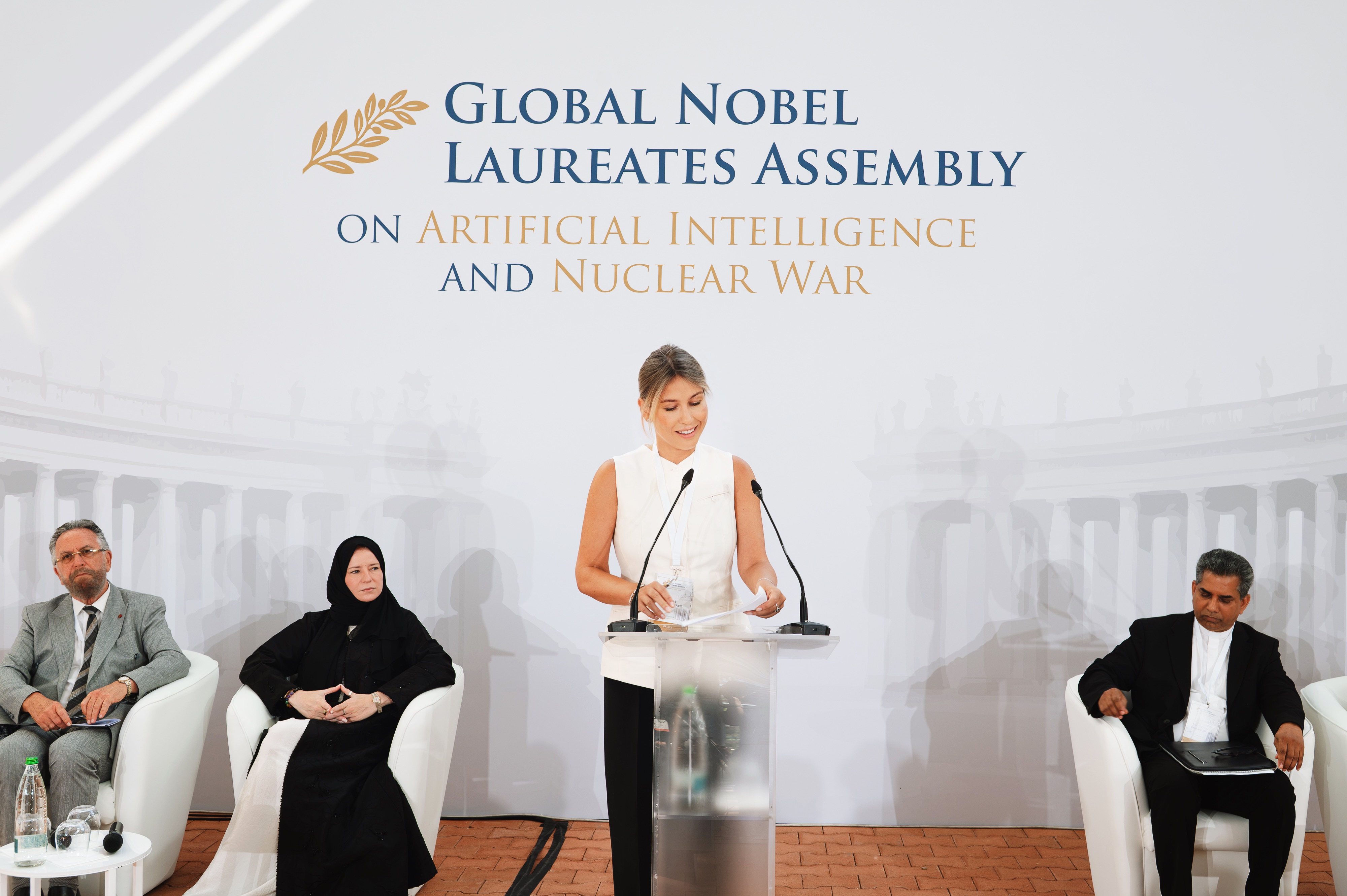
Q: In July, you chaired one of the working groups at the Assembly of Nobel Laureates in the Vatican. Did those discussions influence your view of the role businesses should play in the development of artificial intelligence?
Olga Grishchenko: They reinforced the idea that AI cannot be considered only as a commercial opportunity. It also raises important questions about responsibility, governance and long-term social impact.
Our work increasingly connects business strategy with this wider global agenda. We help companies identify opportunities created by AI while also understanding the institutional and societal environment in which the technology will develop.
Are Independent Firms Replacing Traditional Consultancies?
Q: Does this model compete directly with the largest consulting firms?
Olga Grishchenko: The models are complementary. Large consultancies are effective when a project requires extensive analytical or implementation resources.
Independent firms are particularly valuable when the mandate requires discretion, direct senior involvement, cultural fluency and the ability to connect decision-makers across several markets.
The Future of Strategic Consulting
Q: What will distinguish the strongest advisory firms in the coming years?
Olga Grishchenko: The ability to combine analytical rigor with relational intelligence.
The strongest advisers will understand capital, technology and public policy, but they will also know how to build trust across different cultures and institutions. Their role will not be limited to recommending a strategy. They will help create the relationships and structures that make that strategy possible.
This article is based on an interview with Olga Grishchenko and an analysis of current market trends. References to clients, partners and engagements are illustrative and remain subject to applicable confidentiality obligations.
ODBT Strategic Consulting |
Contact:
Website: Odbtconsult.com
Instagram: https://www.instagram.com/olga_grischenko11?igsh=MXJkZHNoYW5tdzl5Nw%3D%3D&utm_source=qr
LinkedIn: http://linkedin.com/in/olga-grishchenko-4530a274
http://linkedin.com/in/david-anton-3716b7
Latest Insights and Updates
Explore our latest articles and industry news.